My commitment is to partner with you so that you have the tools to experience vibrant & optimum health.

How Are Diabetes and Cardiovascular Complications Connected?

How Are Diabetes and Cardiovascular Complications Connected?
Posted on January 8th, 2026.


Living with diabetes often feels like you are watching numbers on a screen while worrying about what is happening inside your body.


You might do your best with food choices, medications, and appointments, yet still feel uneasy about heart disease, stroke, or circulation issues. That uneasiness is understandable and deserves clear, straightforward answers.


Diabetes affects far more than blood sugar readings. It influences how your heart works, how flexible your arteries stay, and how well blood reaches organs like your eyes, kidneys, and nerves.


Over the years, this pressure can show up as cardiovascular disease, stroke, and microvascular complications that change your daily life in very concrete ways.


Understanding how these pieces fit together can make your situation feel less random. When you see how long-term glucose patterns, blood pressure, cholesterol, inflammation, and vessel health interact, it becomes easier to understand your symptoms and lab results. 


The Link Between Diabetes and Cardiovascular Disease

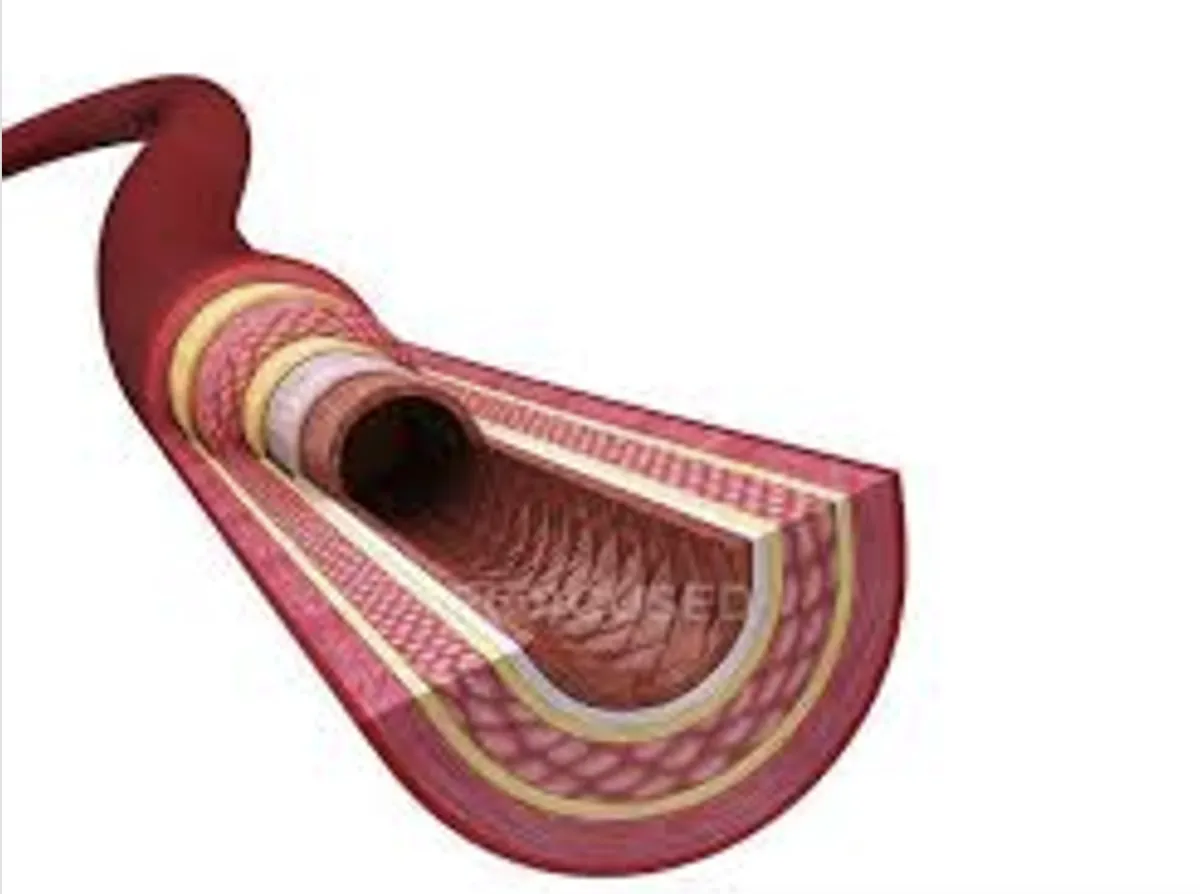
The starting point for many complications is the endothelium, the thin inner lining of your blood vessels. This layer regulates blood pressure, clotting, and immune responses and helps vessels relax and contract as needed. When it works well, blood flows smoothly, tissues receive oxygen, and the cardiovascular system stays flexible and responsive.


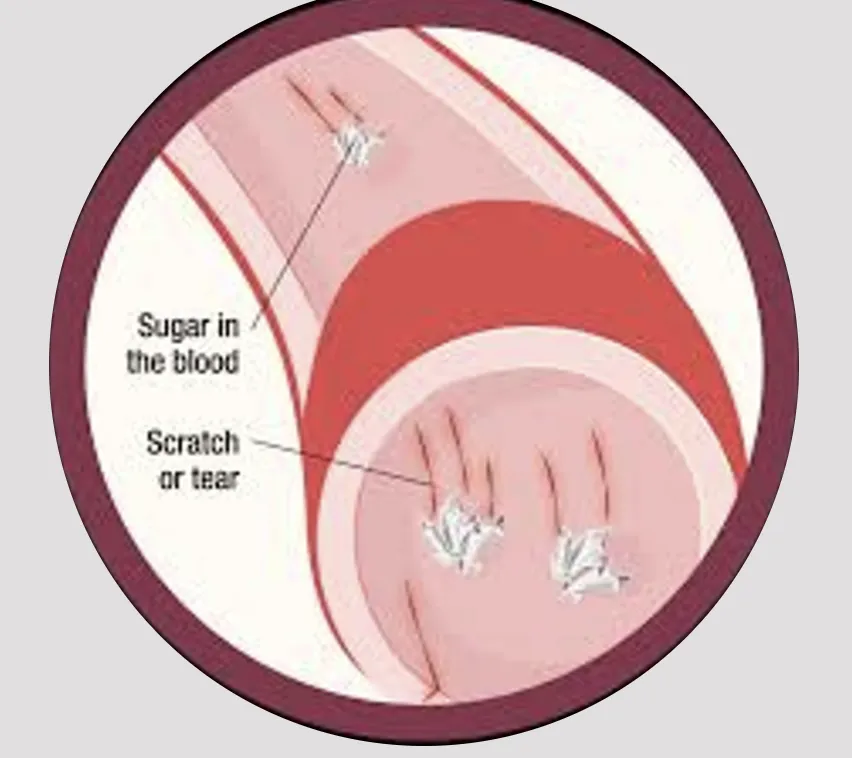
In diabetes, repeated exposure to high blood sugar places constant pressure on this delicate lining. Excess glucose drives oxidative stress and the formation of harmful compounds that irritate endothelial cells. One key consequence is a drop in nitric oxide, which normally signals vessels to relax. As nitric oxide falls, arteries stiffen, blood pressure rises, and circulation becomes less adaptable.


This is what people mean by glucose-induced endothelial dysfunction. It is not a distant concept but a practical explanation for why blood pressure may creep up, why cholesterol numbers change, and why the heart can feel under strain. Once the endothelium is injured, LDL particles are more likely to penetrate the vessel wall and become oxidized, starting plaque formation in major arteries.


Over time, these changes show up as atherosclerosis in the arteries that supply the heart and brain. In the coronary arteries, plaque buildup can limit blood flow, especially during exertion, and eventually trigger chest discomfort or shortness of breath. If a plaque ruptures and a clot forms, the result may be a heart attack. In the carotid or brain arteries, similar processes can lead to stroke.


Microvascular damage follows a related pattern on a smaller scale. The same high-glucose, high-stress environment injures tiny blood vessels in the eyes, kidneys, and nerves. That is why retinopathy, nephropathy, and neuropathy often appear alongside rising cardiovascular risk. The problem is systemic, even though it shows up in different organs.


For many people, this explanation feels more honest than being told complications appear “out of nowhere.” Seeing the connection between daily glucose exposure, endothelial injury, and real events like cardiovascular disease and stroke can shift how you view your health. It highlights why consistent support, detailed testing, and thoughtful changes in daily life can make a meaningful difference.


Diabetic Heart Complications Unraveled

Heart complications related to diabetes rarely start with a dramatic moment. They usually build slowly, as subtle changes in small vessels and nerves accumulate. Microvascular issues like retinopathy, kidney changes, and neuropathy are early markers that the body has been dealing with metabolic stress for years. When these warning signs appear, the heart and larger arteries are often affected as well.


In the heart, microvascular dysfunction can limit blood flow to muscle tissue even when major arteries do not look completely blocked on imaging. That can lead to fatigue, reduced exercise tolerance, or vague chest sensations that are easy to dismiss. Autonomic neuropathy may also change how the heart responds to stress, sometimes masking warning signals that might otherwise prompt urgent care.


As time passes, these small-scale changes blend with plaque buildup in the larger arteries. The combination of damaged endothelium, higher inflammation, and a tendency toward clotting makes serious events more likely. This is why people with long-standing diabetes face higher rates of cardiovascular disease and stroke compared with those without diabetes.


Key cardiovascular risks linked with diabetes include:

  • Coronary Artery Disease (CAD): Narrowing of the arteries that feed the heart, which can cause chest discomfort, breathlessness, or reduced stamina and may progress to heart failure if not addressed.
  • Heart Attack: Sudden blockage of a coronary artery when a plaque ruptures and a clot forms, often more severe and sometimes less noticeable in people with nerve damage from diabetes.
  • Stroke: Blockage or rupture in vessels supplying the brain, with higher likelihood and more complex recovery when circulation, nerves, and metabolic health are already under strain.

Many people feel blindsided when these events occur, especially if past visits focused only on A1C or fasting glucose while other markers received less attention. It can be discouraging to live through chest pain, procedures, or neurologic symptoms after years of effort. That frustration is valid and often shared by others who sensed that something deeper was happening.


Understanding that these events often stem from long-standing vascular stress, rather than sudden bad luck, can shift the way you view your health. It highlights why careful attention to blood pressure, cholesterol patterns, kidney function, nerve symptoms, and eye health matters just as much as glucose readings. All of these pieces belong to the same story.


Preventative Measures for Cardiovascular Health in Diabetes

Protecting cardiovascular health when you live with diabetes does not mean perfection. It means steadily easing the pressure on your blood vessels and heart in ways you can maintain. Small, realistic adjustments often create more lasting change than short bursts of strict rules that leave you feeling defeated. The goal is steady progress, not a flawless routine.


Food choices strongly influence both glucose and vascular health. Meals built around non-starchy vegetables, quality protein, healthy fats, and slow-digesting carbohydrates help soften blood sugar swings and reduce stress on the endothelium. Cutting back on sugary drinks, refined grains, and highly processed snacks can lower inflammation and improve triglyceride and cholesterol patterns. Balancing carbohydrates with fiber and protein at each meal often brings more consistent energy and fewer spikes.


Regular movement works with food to improve insulin sensitivity and circulation. Walking, swimming, or cycling at a comfortable pace can lower blood pressure, support healthy weight, and improve how cells respond to insulin. Adding simple strength exercises a few times per week builds muscle, which helps your body manage glucose more effectively throughout the day. Activities should match your current abilities, especially if you already experience neuropathy or joint pain.


Stress and sleep have powerful effects on both blood sugar and cardiovascular risk. When stress runs high, cortisol and adrenaline tend to push glucose and blood pressure upward. Poor sleep can have similar effects and often increases cravings for quick, sugary energy. Short relaxation practices, time outdoors, and consistent sleep routines may sound modest, yet they lighten the overall burden on your nervous system and vessels.


Monitoring is most helpful when it looks beyond a single number. A1C, blood pressure, cholesterol, kidney function, eye exams, and foot checks all give important information about how your cardiovascular and microvascular systems are coping. When testing reveals early changes, you and your healthcare team can adjust food, movement, medications, or supplements before a major event occurs. That kind of early course correction can spare you a great deal of stress later.


Most importantly, preventive care works best when you feel supported rather than judged. You deserve explanations that make sense and steps that fit your daily life. When you understand how each habit influences your circulation, heart, and microvascular health, those habits become meaningful choices instead of vague instructions. That sense of understanding often makes consistent change feel more doable.


RelatedVitamin B3 for Cardiovascular Wellness: What to Know


Taking Charge Of Your Heart And Metabolic Health

Living with diabetes while worrying about heart disease, stroke, and microvascular complications can feel heavy, especially if past care never fully connected the dots for you. When you see how long-term glucose patterns, vessel health, and real clinical events fit together, your situation starts to feel clearer and less random. That clarity opens the door to more focused, confident decisions about your health.


At NUTRIFYOURLIFE, we take time to listen to your story, review your history and test results, and help you find practical ways to support healthier blood vessels, steadier glucose, and stronger cardiovascular resilience. Together, we look at nutrition, movement, stress, sleep, and lab markers in a way that respects your experience.


Our Nutrition, Health & Wellness services guide you with practical, science-backed strategies to reduce this hidden risk and support lasting metabolic health. Explore our offerings to see how tailored guidance can empower you in mitigating and managing these intertwined risks effectively.


Do not hesitate to call us at (203) 829-5349 or reach out via email

How Can I Help You Today?

I'm here to understand your needs and provide all the information you need. Please send me a message, and I'll reply as soon as possible.